
-
×
 SONATA SOL MAIOR
2 × 22.81 €
SONATA SOL MAIOR
2 × 22.81 € -
×
 French Suite I d minor BWV 812 (ed. without fingering)
1 × 7.95 €
French Suite I d minor BWV 812 (ed. without fingering)
1 × 7.95 € -
×
 NANCY - MARIMBA SOLO
1 × 11.71 €
NANCY - MARIMBA SOLO
1 × 11.71 € -
×
 CHORAL MUSIC EXPERIENCE - JUNIOR VOL.II
2 × 9.89 €
CHORAL MUSIC EXPERIENCE - JUNIOR VOL.II
2 × 9.89 € -
×
 Top Hits of 2021 - Piano, Vocal, Guitar
1 × 18.90 €
Top Hits of 2021 - Piano, Vocal, Guitar
1 × 18.90 € -
×
 Nurtured by Love
1 × 21.00 €
Nurtured by Love
1 × 21.00 € -
×
 VIOLONCELLE AU SALON - 7 PEÇAS
1 × 27.89 €
VIOLONCELLE AU SALON - 7 PEÇAS
1 × 27.89 € -
×
 Specimen Sight-Reading Tests Grade 1
1 × 4.00 €
Specimen Sight-Reading Tests Grade 1
1 × 4.00 € -
×
SERENADE
1 × 20.88 €
-
×
 Fairy-Tale Pictures Op.113
1 × 18.00 €
Fairy-Tale Pictures Op.113
1 × 18.00 € -
×
 19 SONATAS
1 × 76.17 €
19 SONATAS
1 × 76.17 € -
×
 PIÈCE EN FORME DE HABANERA - 4 FLTS
1 × 20.00 €
PIÈCE EN FORME DE HABANERA - 4 FLTS
1 × 20.00 € -
×
5 PIECES POUR MARIMBA SOLO VOL.IV
1 × 27.61 €
-
×
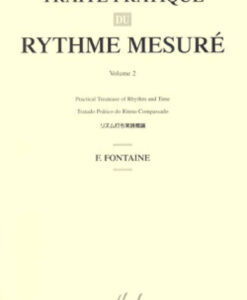 Traité Pratique du Rythme Mesure - Vol.II
1 × 16.30 €
Traité Pratique du Rythme Mesure - Vol.II
1 × 16.30 € -
×
LIRE, ENTENDRE, ANALYSER - VOL.IV (ÉLÈVE)
1 × 20.56 €
-
×
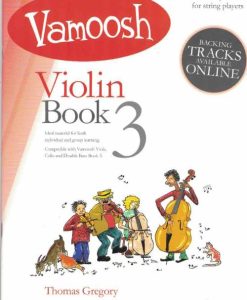 Vamoosh Violin Book 3
1 × 13.00 €
Vamoosh Violin Book 3
1 × 13.00 € -
×
 Lied - Clarinete solo
1 × 18.71 €
Lied - Clarinete solo
1 × 18.71 € -
×
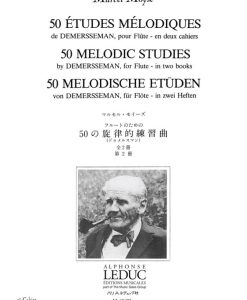 50 ESTUDOS MELÓDICOS de DEMERSSEMAN, flauta, op. 4, vol. 2
1 × 23.60 €
50 ESTUDOS MELÓDICOS de DEMERSSEMAN, flauta, op. 4, vol. 2
1 × 23.60 € -
×
 Lieder Vol. I - High (Friedländer) - Voz/ Pf
1 × 49.50 €
Lieder Vol. I - High (Friedländer) - Voz/ Pf
1 × 49.50 € -
×
PIECE BY PIECE - INICIÇÃO VOL.II
1 × 8.85 €
-
×
 French Suite II c minor BWV 813 (ed. without fingering)
1 × 7.95 €
French Suite II c minor BWV 813 (ed. without fingering)
1 × 7.95 € -
×
 Joining The Dots For Guitar, Grade 5
1 × 12.00 €
Joining The Dots For Guitar, Grade 5
1 × 12.00 € -
×
 PEÇAS FÁCEIS VOL.1 - PERÍODO CLÁSSICO E ROMÂNTICO
1 × 14.59 €
PEÇAS FÁCEIS VOL.1 - PERÍODO CLÁSSICO E ROMÂNTICO
1 × 14.59 € -
×
REPERTÓRIO ORQUESTRAL - XILOFONE VOL.I
1 × 28.51 €
-
×
 DICTADO MUSICAL - RITMICO VOL.I
1 × 14.50 €
DICTADO MUSICAL - RITMICO VOL.I
1 × 14.50 € -
×
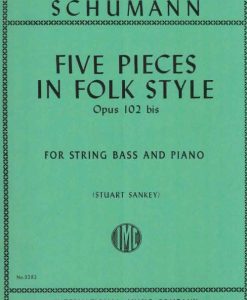 5 Pieces in Folk Style Op. 102 - Cbx/ Pf
1 × 22.00 €
5 Pieces in Folk Style Op. 102 - Cbx/ Pf
1 × 22.00 € -
×
 LECCIONES DE ENTONACION NÍVEL 1
1 × 14.64 €
LECCIONES DE ENTONACION NÍVEL 1
1 × 14.64 € -
×
PIECE BY PIECE 2
1 × 13.78 €
-
×
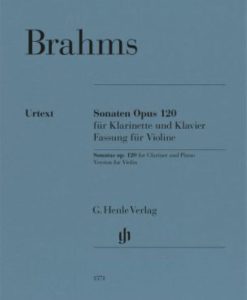 Sonatas op. 120 - Vn/ Pf
1 × 31.50 €
Sonatas op. 120 - Vn/ Pf
1 × 31.50 € -
×
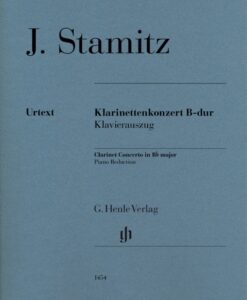 Concerto B-flat major - Cl/ Pf
1 × 18.00 €
Concerto B-flat major - Cl/ Pf
1 × 18.00 € -
×
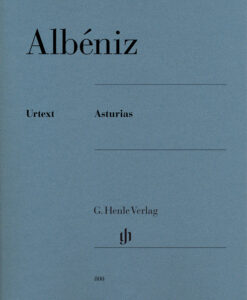 Asturias Op.47, Nº5
1 × 11.00 €
Asturias Op.47, Nº5
1 × 11.00 € -
×
 TROIS PETITES PIECES FACILES
1 × 10.55 €
TROIS PETITES PIECES FACILES
1 × 10.55 € -
×
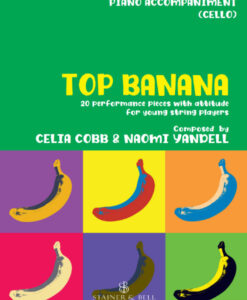 Top Banana: Piano Part to accompany Cello
1 × 18.50 €
Top Banana: Piano Part to accompany Cello
1 × 18.50 € -
×
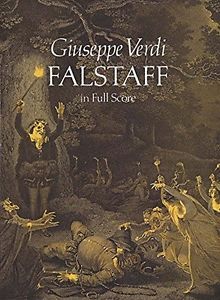 FALSTAFF, in full score
1 × 35.33 €
FALSTAFF, in full score
1 × 35.33 € -
×
KING HEROLD AND THE COCK - UN VCES / PF
1 × 3.46 €
-
×
2 SONATAS (ESTUDOS CONCERTO)
1 × 14.29 €
-
×
CONCERTO RE NO ESTILO DE HAYDN
1 × 14.29 €
-
×
 Sonatina - Ob/ Hp(Pf)
1 × 29.50 €
Sonatina - Ob/ Hp(Pf)
1 × 29.50 € -
×
 MESSIAS CHORAL SINGING BASS - 2xCD
1 × 19.99 €
MESSIAS CHORAL SINGING BASS - 2xCD
1 × 19.99 € -
×
 THE BIRDS
1 × 7.12 €
THE BIRDS
1 × 7.12 € -
×
TANGOS - STRING QUARTET
1 × 19.61 €
-
×
 Petit Divertissement - Trois Flutes
1 × 30.34 €
Petit Divertissement - Trois Flutes
1 × 30.34 € -
×
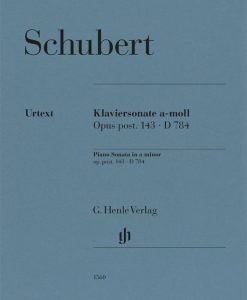 Piano Sonata a minor op. post. 143 D 784
1 × 13.00 €
Piano Sonata a minor op. post. 143 D 784
1 × 13.00 €
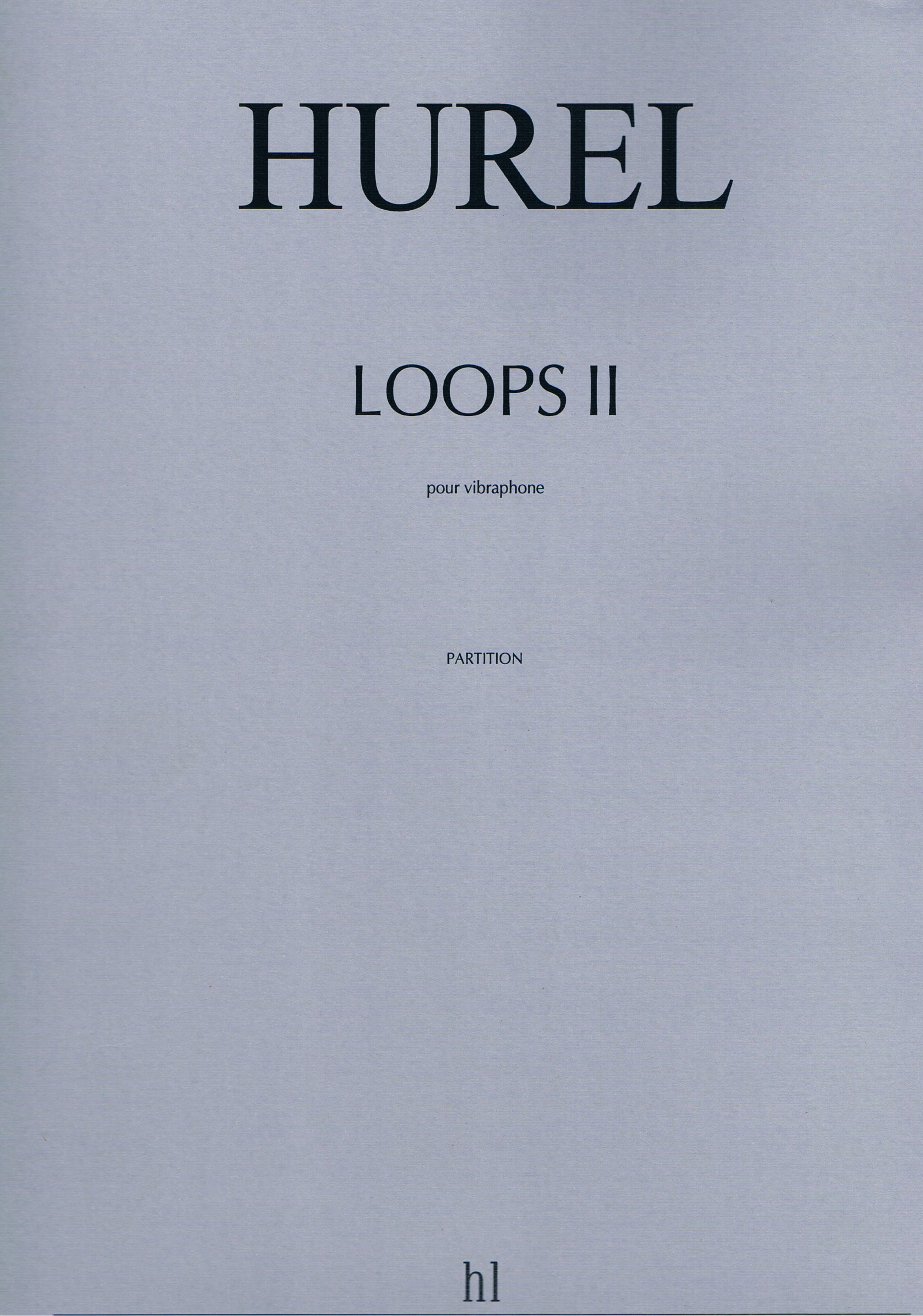
I wrote earlier about Loops I for flute that “the sound of the flute and its techniques are of less importance than the transformation procedure at work. The principle of the style of the piece is contained in the title which, when “looped”, creates its own alliteration, and this spirit will colour a whole series of pieces based on the same principle. I start with little rhythmic motifs that are repeated and transformed as they progress. In fact, they are simple formulas which, by adding or taking away from themselves, end up creating further loops. “In this new Loops, written at the request of the Clermont-Ferrand International Vibraphone Competition, I have added an extra level to the principle of looping. The piece is so constructed that the process of cell transformation always brings you back to the motif announced at the outset. Although the music may seem to be undergoing perpetual transformation because of the morphing process, the listener will nevertheless feel it is going round in circles, since each long procedure brings you back to the starting point, like the little local loops that you can hear throughout the piece. As the work was intended to be used for an advanced-level vibraphone competition, I thought about introducing more difficult playing techniques than in Loops I for flute. Although I had no desire to use the instrument in ways not intended for it, I did want the performer to get to grips with a variety of techniques in a virtuoso context. For example, the piece ends with a long section in chords, which on a compositional level cannot be justified. This section – like other, very different sections in the work – acts as a “study” and involves the performer in specific technical study. Despite which, Loops II remains a very playful piece full of rhythmic energy, and I wrote it in a spirit of great pleasure and jubilation. It constitutes another stage of my work on percussion, and on the vibraphone in particular, which was begun in 1996 with …à mesure, where the vibraphone plays a dominant role, and continued in 1999 and 2000 with the Tombeau in memoriam Gérard Grisey and the Quatre variations for percussion and ensemble, in which the vibraphone takes on the role of a concerto soloist.
Autor/ Compositor: Hurel
Editora: Lemoine
Referência: 0 90-27779
Be the first to review “Loops II – Vibrafone”
Related products
Partituras
17.50 €
Partituras
104.94 €
Partituras
31.80 €

Partituras
15.62 €
Partituras
10.20 €
Partituras
8.65 €
Partituras
36.54 €

Partituras
16.95 €
Guitarra
12.00 €
Partituras
23.11 €
Partituras
23.50 €
Partituras
10.00 €
Reviews
There are no reviews yet.