
-
×
 SNARE DRUM GR. 3 E 4
1 × 14.24 €
SNARE DRUM GR. 3 E 4
1 × 14.24 € -
×
 Sonata Op. 23 - Ob/ Pf
1 × 19.30 €
Sonata Op. 23 - Ob/ Pf
1 × 19.30 € -
×
 The Artist in Every Child - Intermédio Vol.II
1 × 12.65 €
The Artist in Every Child - Intermédio Vol.II
1 × 12.65 € -
×
 Antologia Coral 4 Vozes Mistas
1 × 21.30 €
Antologia Coral 4 Vozes Mistas
1 × 21.30 € -
×
 3 SÉCULOS SOLOS BANDOLIM
1 × 41.24 €
3 SÉCULOS SOLOS BANDOLIM
1 × 41.24 € -
×
 Top Hits of 2021 - Piano, Vocal, Guitar
1 × 18.90 €
Top Hits of 2021 - Piano, Vocal, Guitar
1 × 18.90 € -
×
 SINFONIA RE MENOR
1 × 19.48 €
SINFONIA RE MENOR
1 × 19.48 € -
×
 Folk Songs - Flauta de Bisel (book + cd)
1 × 20.50 €
Folk Songs - Flauta de Bisel (book + cd)
1 × 20.50 € -
×
CINQ POESIES OP.23
1 × 21.10 €
-
×
 ENSEMBLESTUDIEN 1-6 - ESTUDOS ENS.PERCUSSÃO VOL.II
1 × 18.80 €
ENSEMBLESTUDIEN 1-6 - ESTUDOS ENS.PERCUSSÃO VOL.II
1 × 18.80 € -
×
3 PEÇAS - QUARTETO CORDAS
1 × 22.21 €
-
×
 French Suite II c minor BWV 813 (ed. without fingering)
3 × 7.95 €
French Suite II c minor BWV 813 (ed. without fingering)
3 × 7.95 € -
×
 THE GUITAR WORKS OFF... VOL.III
2 × 20.68 €
THE GUITAR WORKS OFF... VOL.III
2 × 20.68 € -
×
FANDANGO Y VARIACIONES
1 × 14.01 €
-
×
 SUITE SI MAIOR - 3 VNS
1 × 14.79 €
SUITE SI MAIOR - 3 VNS
1 × 14.79 € -
×
 BASIC BOW STROKES FOR BUDDING VIOLISTS
1 × 19.40 €
BASIC BOW STROKES FOR BUDDING VIOLISTS
1 × 19.40 € -
×
MICROJAZZ VOL.I
1 × 13.22 €
-
×
PAS DE DEUX
1 × 25.64 €
-
×
 Tuned Percussion Grades 1 & 2
1 × 19.65 €
Tuned Percussion Grades 1 & 2
1 × 19.65 € -
×
 60 Estudos para piano
1 × 29.50 €
60 Estudos para piano
1 × 29.50 € -
×
 CAPRICHO
1 × 4.23 €
CAPRICHO
1 × 4.23 € -
×
 Joining The Dots For Guitar, Grade 4
1 × 10.20 €
Joining The Dots For Guitar, Grade 4
1 × 10.20 € -
×
 Concerto Sol menor Op.26
1 × 25.90 €
Concerto Sol menor Op.26
1 × 25.90 € -
×
 Concertino in D in the Style of Mozart
1 × 14.30 €
Concertino in D in the Style of Mozart
1 × 14.30 € -
×
 Sonata - Tpt/ Pf
2 × 15.90 €
Sonata - Tpt/ Pf
2 × 15.90 € -
×
 SONATA SENTIMENTALE OP.169 - FL (Cl) & Piano
1 × 24.85 €
SONATA SENTIMENTALE OP.169 - FL (Cl) & Piano
1 × 24.85 € -
×
 SONATAS VOL.II
1 × 24.90 €
SONATAS VOL.II
1 × 24.90 € -
×
 CONCERTINO Nº 1 FA MAIOR
1 × 18.00 €
CONCERTINO Nº 1 FA MAIOR
1 × 18.00 € -
×
 Filosofia de la Nueva Musica
1 × 16.55 €
Filosofia de la Nueva Musica
1 × 16.55 € -
×
 QUARTETO CORDAS (SC)
1 × 17.45 €
QUARTETO CORDAS (SC)
1 × 17.45 € -
×
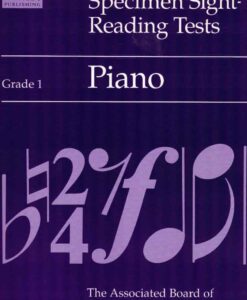 Specimen Sight-Reading Tests Grade 1
1 × 4.00 €
Specimen Sight-Reading Tests Grade 1
1 × 4.00 € -
×
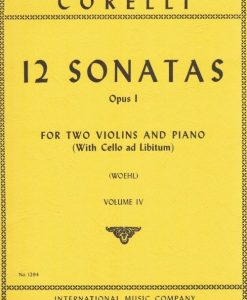 12 Sonatas Op.1 Vol.IV - 2 Vns/ Pf
1 × 27.50 €
12 Sonatas Op.1 Vol.IV - 2 Vns/ Pf
1 × 27.50 € -
×
BREAD-BAKING - SA
1 × 5.00 €
-
×
 DUOS OP.5 - 2 VNS
1 × 19.83 €
DUOS OP.5 - 2 VNS
1 × 19.83 € -
×
 VARIAÇÕES S/ PARABÉNS
1 × 33.77 €
VARIAÇÕES S/ PARABÉNS
1 × 33.77 € -
×
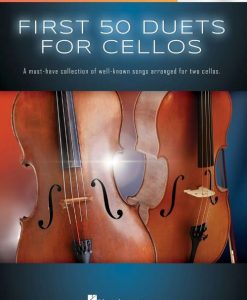 First 50 Duets - 2 cellos
1 × 22.60 €
First 50 Duets - 2 cellos
1 × 22.60 € -
×
 15 Intermediate Classical Solos
1 × 24.60 €
15 Intermediate Classical Solos
1 × 24.60 € -
×
 Artistry in Music Education - Intermedio Vol. I
1 × 12.65 €
Artistry in Music Education - Intermedio Vol. I
1 × 12.65 € -
×
 Préludes - A Selection
2 × 8.10 €
Préludes - A Selection
2 × 8.10 € -
×
 ELEGY
1 × 9.85 €
ELEGY
1 × 9.85 € -
×
ENCHANTING SONG - SSA
1 × 5.00 €
-
×
QUIET CITY
1 × 19.57 €
-
×
CONCERTO DO MENOR
1 × 15.87 €
-
×
 EMOCIÓN Y SIGNIFICADO EN LA MÚSICA
1 × 32.26 €
EMOCIÓN Y SIGNIFICADO EN LA MÚSICA
1 × 32.26 € -
×
 OBLIVION - OB / CORDAS (SC)
1 × 13.12 €
OBLIVION - OB / CORDAS (SC)
1 × 13.12 € -
×
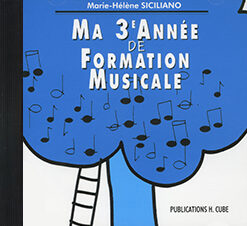 Ma 3ème Année de Formation Musicale (CD)
1 × 30.50 €
Ma 3ème Année de Formation Musicale (CD)
1 × 30.50 € -
×
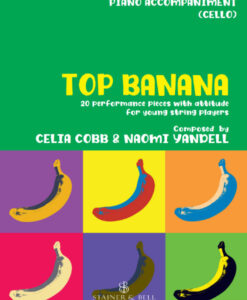 Top Banana: Piano Part to accompany Cello
1 × 18.50 €
Top Banana: Piano Part to accompany Cello
1 × 18.50 € -
×
 31 Estudos - Trombone
1 × 16.40 €
31 Estudos - Trombone
1 × 16.40 € -
×
A CELEBRATION OF CHRISTMAS - SATB
1 × 15.95 €
-
×
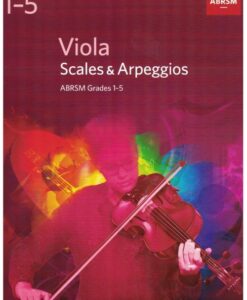 Viola Scales & Arpeggios - Grades 1 - 5
1 × 12.80 €
Viola Scales & Arpeggios - Grades 1 - 5
1 × 12.80 € -
×
 Anke Helfrich – Stormproof (CD)
1 × 10.00 €
Anke Helfrich – Stormproof (CD)
1 × 10.00 € -
×
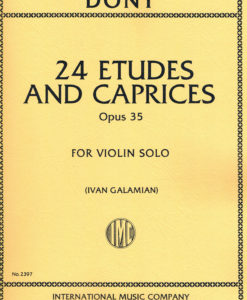 24 ESTUDOS e CAPRICHOS OP.35
1 × 20.80 €
24 ESTUDOS e CAPRICHOS OP.35
1 × 20.80 € -
×
ADAGIO SONATA PATÉTICA OP.13/8 - GTR
1 × 8.89 €
-
×
DON´T LEAVE ME - SA
1 × 5.00 €
-
×
 INVENÇÃO - 4 SAX
1 × 15.34 €
INVENÇÃO - 4 SAX
1 × 15.34 € -
×
CANTICLE III - TENOR / TRP / PF
1 × 22.74 €
-
×
MICROJAZZ VOL.II
1 × 17.16 €
-
×
SLAVONIC DANCES OP.46 NºS 3, 6 & 8 - QUART. CORDAS
1 × 21.20 €
-
×
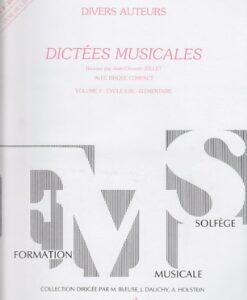 DICTÉES MUSICALES - VOL.III (ÉLÈVE) + CD
1 × 27.10 €
DICTÉES MUSICALES - VOL.III (ÉLÈVE) + CD
1 × 27.10 € -
×
3 DUOS OP.38 - 2 VCS
1 × 14.99 €
-
×
THE ROYAL FIREWORKS MUSIC - 4 TPT
1 × 29.64 €
-
×
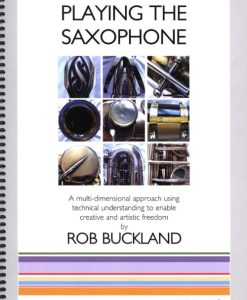 Playing the Saxophone
1 × 65.72 €
Playing the Saxophone
1 × 65.72 € -
×
TANGOS - STRING QUARTET
1 × 19.61 €
-
×
SONATA DO MAIOR - FL / CEMB
1 × 16.43 €
-
×
 10 CÉLEBRES QUARTETOS CORDAS
1 × 38.69 €
10 CÉLEBRES QUARTETOS CORDAS
1 × 38.69 € -
×
 CONCERTO DO MAIOR
1 × 13.93 €
CONCERTO DO MAIOR
1 × 13.93 € -
×
LET IT SNOW - 4 SAX
1 × 28.13 €
-
×
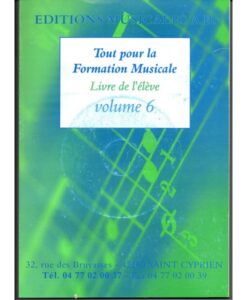 Tout pour la Formation Musicale (éleve) vol.6
1 × 32.90 €
Tout pour la Formation Musicale (éleve) vol.6
1 × 32.90 € -
×
 Jazz | tote bag
1 × 16.90 €
Jazz | tote bag
1 × 16.90 € -
×
 SIGHT-READING MADE EASY VOL.8
1 × 8.71 €
SIGHT-READING MADE EASY VOL.8
1 × 8.71 € -
×
RITMO Y PALABRA - VOL.I (PROF.)
1 × 12.64 €
-
×
CHORAL MUSIC EXPERIENCE - SÉNIOR VOL.I
1 × 9.89 €
-
×
SINFONIA
1 × 30.21 €
-
×
 SINFONIAS Nº 1,2 E 3
1 × 39.12 €
SINFONIAS Nº 1,2 E 3
1 × 39.12 € -
×
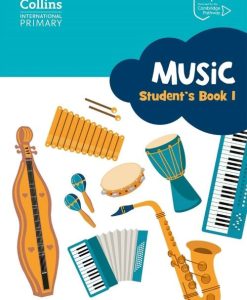 Collins International Primary Music - Student´s book 1
1 × 12.90 €
Collins International Primary Music - Student´s book 1
1 × 12.90 € -
×
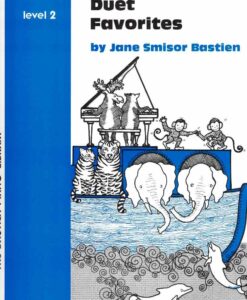 Duet Favorites - Level 2
1 × 7.80 €
Duet Favorites - Level 2
1 × 7.80 € -
×
BALADA OP.15
1 × 22.21 €
-
×
HOE DOWN (RODEO)
1 × 17.07 €
-
×
 Traité Pratique du Rythme Mesure - Vol.II
1 × 16.30 €
Traité Pratique du Rythme Mesure - Vol.II
1 × 16.30 € -
×
RITMO Y PALABRA - VOL.II (PROF.)
1 × 11.23 €
-
×
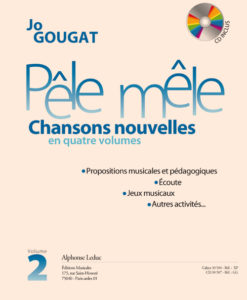 Pêle Mêle (Chansons Nouvelles) Vol.2 + Cd
1 × 25.50 €
Pêle Mêle (Chansons Nouvelles) Vol.2 + Cd
1 × 25.50 € -
×
TRÊS PEÇAS - QUARTETO CORDAS
1 × 15.87 €
-
×
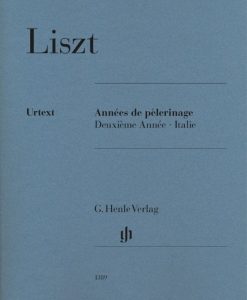 Années de pèlerinage, Deuxième Année - Italie
1 × 25.50 €
Années de pèlerinage, Deuxième Année - Italie
1 × 25.50 € -
×
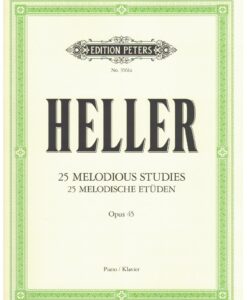 25 Melodious Studies op.45
1 × 14.00 €
25 Melodious Studies op.45
1 × 14.00 € -
×
 MUSIQUE DE TABLES (SC / PTS)
1 × 91.55 €
MUSIQUE DE TABLES (SC / PTS)
1 × 91.55 € -
×
ORIENTALE OP.50 Nº9
1 × 11.15 €
-
×
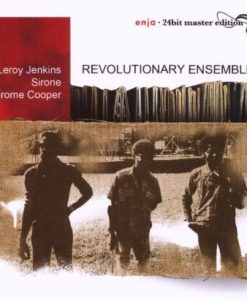 Revolutionary Ensemble (CD)
1 × 5.00 €
Revolutionary Ensemble (CD)
1 × 5.00 € -
×
 Piano Sonata a minor op. post. 143 D 784
1 × 13.00 €
Piano Sonata a minor op. post. 143 D 784
1 × 13.00 € -
×
REPERTÓRIO ORQUESTRAL - XILOFONE VOL.II
1 × 28.51 €
-
×
 MANUEL D HARMONIE - LIVRE THEORIQUE (2)
1 × 19.63 €
MANUEL D HARMONIE - LIVRE THEORIQUE (2)
1 × 19.63 € -
×
 Sonatas op. 120 - Vn/ Pf
1 × 31.50 €
Sonatas op. 120 - Vn/ Pf
1 × 31.50 € -
×
BOLERO
1 × 11.46 €
-
×
CINQ MELODIES OP.35
1 × 15.71 €
-
×
SONATA FA MAIOR OP.17
1 × 19.08 €
-
×
 Ballade
1 × 33.95 €
Ballade
1 × 33.95 € -
×
CONCERTO MI MENOR OP.58
1 × 24.44 €
-
×
 Hungarian Rhapsody N.4
1 × 12.00 €
Hungarian Rhapsody N.4
1 × 12.00 € -
×
 Asturias Op.47, Nº5
1 × 11.00 €
Asturias Op.47, Nº5
1 × 11.00 €
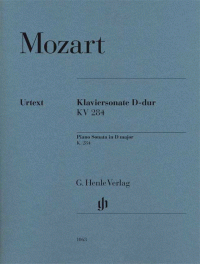
The Sonata in D major is the last of the Six Sonatas K. 279–284 that Mozart had in his luggage when he set off for Paris in September 1777. He had already successfully performed this music in Munich, Augsburg and Mannheim, a fact he proudly told his father back at home. He gave the works particularly rich dynamic markings and also found unusual solutions concerning their formal aspect, for instance having a slow Rondeau en Polonaise as the middle movement of the Sonata in D major. The six sonatas, which were previously only published together in the complete volumes (HN 1 and 3), are now all available as single editions with new prefaces.
Mozart dedicated this Sonata to a Freiherr Thaddäus von Dürnitz – which is why it has often been called the Dürnitz-Sonata. It is undoubtedly the best, the most brilliant and the most technically demanding of these six early Sonatas. Understandably, Mozart retained a special affection for it and continued to perform it himself. It was this Sonata of which he said that it sounded incomparable on Stein’s new fortepianos.
FIRST MOVEMENT A first version of the beginning of the first movement, written on one and a half pages, was cancelled by Mozart. On the same page, he started anew to write the final version underneath. The thematic material of this opening movement (and to a lesser degree also that of the following movements) is laid out on a more ample, nearly orchestral scale, a departure from the intimacy of the early sonatas. The tremolo effect in measures 13-16 and the unison announcements of the first subject read very much like a piano reduction of an orchestral tutti. The second subject, a supple melodic line, unaccompanied in its opening bar, incorporates a descending chain of first inversions a favourite harmonic formula of the baroque and classical periods. (There are analogous passages in the subsidiary themes in Gluck’s overture Iphigénie en Tauride and the first movements of J. S. Bach’s Italian Concert). This functions as a solo passage in contrast to the ensuing tutti entries in m.30. The development moves through a circle of minor keys before the recapitulation begins in measure 72.
SECOND MOVEMENT Mozart called the second movement a Rondeau en Polonaise, so it is a dance. The opening four measures from a kind of dialogue (like the theme of the first movement of the preceding G major Sonata), and Mozart subjects them to felicitous counter-statement is heightened by Mozart’s meticulous dynamic markings.
THIRD MOVEMENT The last movement of the Sonata is a pianistically rewarding, cheerful set of variations, which, up to the adagio variation, has the character of a gavotte. It shows Mozart’s special gift for writing variations at its most brilliant. The superficial impression of a diffuse form does not stand up to a closer inspection: it would not be at all easy to omit one of the twelve variations, or to add an extra one. The adagio variation is on special interest to Mozart scholars, for it gives us some insights into his concept of impromptu ornamentation. The autograph is only modestly ornamented, and Mozart presumably embellished it in performance as his fancy dictated. But a richly ornamented version survived in the first edition, published during Mozart’s lifetime, and undoubtedly this embellished version is Mozart’s own work. Who else could embellish in such an ingenious way? It illuminates Mozart’s ideas on ornamentation in general and in particular.
Paul and Eva-Badura-Skoda
Autor:Mozart, Wolfgang Amadeus
Ref:0 05-1063
Editora: G. Henle Verlag
Seja o primeiro a avaliar “Piano Sonata in D major”
Produtos Relacionados
Piano
10.60 €
Piano
14.90 €
Piano
25.45 €
Piano
30.95 €
19.50 €
Piano
12.00 €
Piano
24.90 €
12.00 €
29.90 €
Piano
28.90 €
Piano
20.90 €
Avaliações
Ainda não existem avaliações.