
-
×
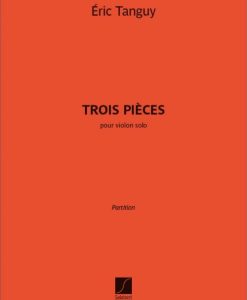 Trois pièces - Vn
1 × 15.70 €
Trois pièces - Vn
1 × 15.70 € -
×
 L OISEAU DE FEU (1919) (MSC)
1 × 37.10 €
L OISEAU DE FEU (1919) (MSC)
1 × 37.10 € -
×
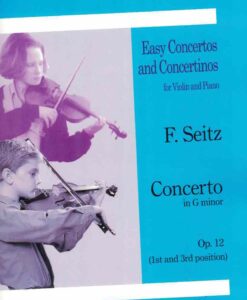 Concerto G minor op.12 (1st & 3rd position)
1 × 17.70 €
Concerto G minor op.12 (1st & 3rd position)
1 × 17.70 € -
×
 CONCERT PIECE Nº 1 (Euphonium & Pf)
1 × 26.14 €
CONCERT PIECE Nº 1 (Euphonium & Pf)
1 × 26.14 € -
×
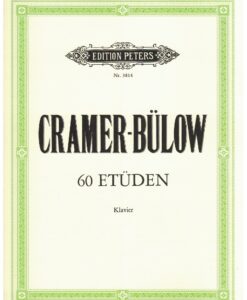 60 Estudos para piano
1 × 29.50 €
60 Estudos para piano
1 × 29.50 € -
×
 INCISES (1994)
1 × 11.63 €
INCISES (1994)
1 × 11.63 € -
×
 ESSENCIAL STRING METHOD - CONTRABAIXO
1 × 12.17 €
ESSENCIAL STRING METHOD - CONTRABAIXO
1 × 12.17 € -
×
CONCERTO OP.17 Nº 2 - 4 VNS / VC / BC (SC)
1 × 25.99 €
-
×
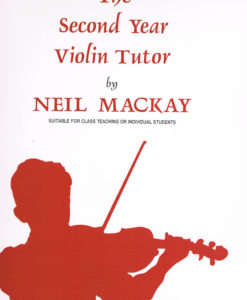 The Second Year Violin Tutor
1 × 14.50 €
The Second Year Violin Tutor
1 × 14.50 € -
×
 14 ESTUDOS (MENSCH)
1 × 15.34 €
14 ESTUDOS (MENSCH)
1 × 15.34 € -
×
 Works for Piano Four Hands and Two Pianos - Serie II
1 × 24.00 €
Works for Piano Four Hands and Two Pianos - Serie II
1 × 24.00 € -
×
FOURS -VIOLONCELOS 2/4
1 × 4.06 €
-
×
 Sonata "Undine" Op.167 - Cl/ Pf
1 × 29.50 €
Sonata "Undine" Op.167 - Cl/ Pf
1 × 29.50 € -
×
 POEME OP.25
1 × 14.50 €
POEME OP.25
1 × 14.50 € -
×
 Sei Quartetti Brevi - per Archi (String Ensemble)
1 × 74.20 €
Sei Quartetti Brevi - per Archi (String Ensemble)
1 × 74.20 € -
×
EASY JAZZY DUETS - FL
1 × 13.63 €
-
×
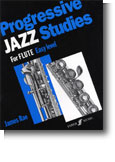 PROGRESSIVE JAZZ STUDIES
1 × 13.18 €
PROGRESSIVE JAZZ STUDIES
1 × 13.18 € -
×
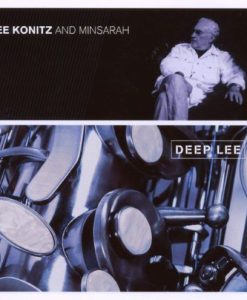 Lee Konitz & Minsarah – Deep Lee (CD)
1 × 10.00 €
Lee Konitz & Minsarah – Deep Lee (CD)
1 × 10.00 € -
×
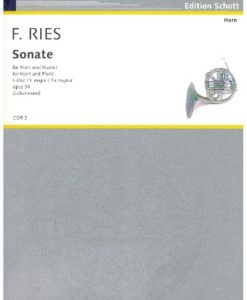 Sonata Fa Maior Op.34
1 × 25.45 €
Sonata Fa Maior Op.34
1 × 25.45 € -
×
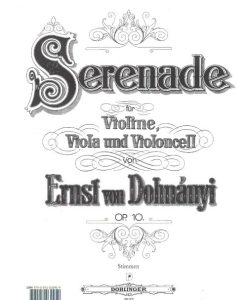 Serenade Op.10 - Vn/ Va/ Vc
1 × 49.00 €
Serenade Op.10 - Vn/ Va/ Vc
1 × 49.00 € -
×
 12.26SONATINAS OP.24, 54, 58, 60
1 × 13.01 €
12.26SONATINAS OP.24, 54, 58, 60
1 × 13.01 € -
×
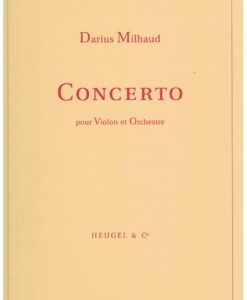 Concerto
1 × 25.15 €
Concerto
1 × 25.15 € -
×
MELODIES / SONGS / LIEDER OP.26
1 × 6.35 €
-
×
 SELECTED STUDIES FOR GUITAR
1 × 15.95 €
SELECTED STUDIES FOR GUITAR
1 × 15.95 € -
×
 PARTSONGS FOR FEMALE SONGS - SSA /TRP/ HP (SC+PTS)
1 × 35.44 €
PARTSONGS FOR FEMALE SONGS - SSA /TRP/ HP (SC+PTS)
1 × 35.44 € -
×
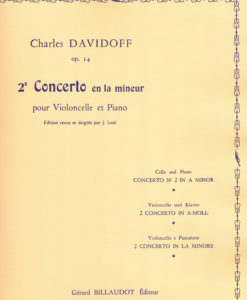 CONCERTO Nº 2 LA MENOR OP.14
1 × 21.00 €
CONCERTO Nº 2 LA MENOR OP.14
1 × 21.00 € -
×
 ESTUDOS CARACTERíSTICOS
1 × 27.45 €
ESTUDOS CARACTERíSTICOS
1 × 27.45 €
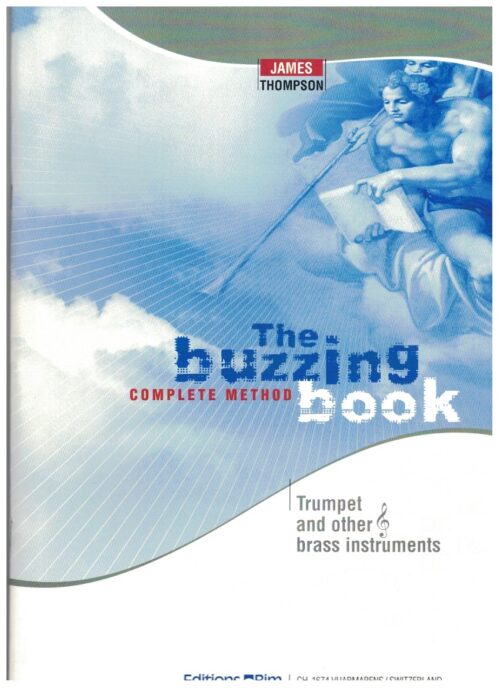
Autor: Thompson, James
Editora: Bim
Ref: 0 260-TP216
Buzzing on the mouthpiece has many benefits if done with a systematic and observant approach. Because the mouthpiece offers less resistance than does the instrument, buzzing helps accustom the player to using more air. This greater airflow helps let the lips relax and vibrate more freely, producing a more resonant sound. It also makes the player more reliant on his ear to place pitches, just as a singer does. Further, it aids in developing the most efficient and consistent mouthpiece placement. Finally, perhaps most importantly, mouthpiece buzzing allows the player to develop new and more refined aural/physical habits more easily.
| Weight | 0.300 kg |
|---|
Related products
Novidades
18.70 €
Trompete
16.25 €

Trompete
25.20 €
Trompete
25.49 €
Trompete
24.38 €
Trompete
13.22 €

Trompete
22.49 €
Trompete
15.90 €
47.90 €
Trompete
15.65 €
Trompete
11.53 €

Trompete
12.32 €