
-
×
 10 CÉLEBRES QUARTETOS CORDAS
1 × 38.69 €
10 CÉLEBRES QUARTETOS CORDAS
1 × 38.69 € -
×
 FUR DICH - 4 SAX
1 × 21.69 €
FUR DICH - 4 SAX
1 × 21.69 € -
×
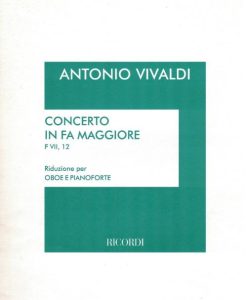 Concerto Fa Maior F VII, 12- Ob/ Pf
1 × 17.00 €
Concerto Fa Maior F VII, 12- Ob/ Pf
1 × 17.00 € -
×
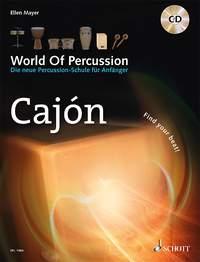 World Of Percussion: Cajón
1 × 18.00 €
World Of Percussion: Cajón
1 × 18.00 € -
×
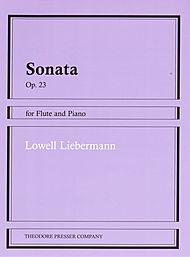 SONATA - Flauta e Piano
1 × 29.95 €
SONATA - Flauta e Piano
1 × 29.95 € -
×
 Ed Sheeran: Equals - Piano, Vocal and Guitar
1 × 19.50 €
Ed Sheeran: Equals - Piano, Vocal and Guitar
1 × 19.50 € -
×
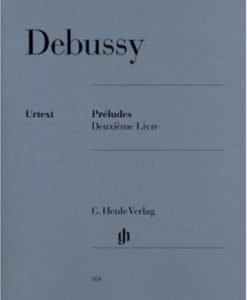 PRELUDIOS VOL.II
2 × 30.95 €
PRELUDIOS VOL.II
2 × 30.95 € -
×
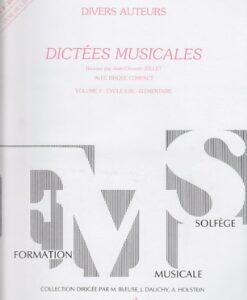 DICTÉES MUSICALES - VOL.III (ÉLÈVE) + CD
1 × 27.10 €
DICTÉES MUSICALES - VOL.III (ÉLÈVE) + CD
1 × 27.10 € -
×
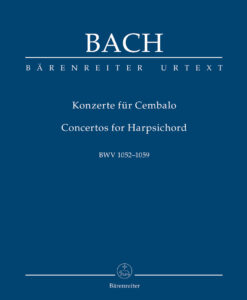 Concertos for Hapsichord BWV 1052-1059
1 × 39.95 €
Concertos for Hapsichord BWV 1052-1059
1 × 39.95 € -
×
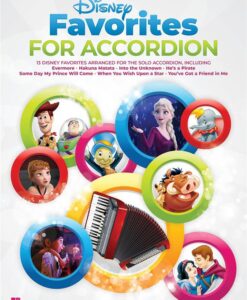 Disney Favorites - Acordeão
1 × 18.60 €
Disney Favorites - Acordeão
1 × 18.60 € -
×
CHEGA DE SAUDADE - SOLO VIB
1 × 40.83 €
-
×
 Hadewijch (De Materie - Part II)
1 × 32.90 €
Hadewijch (De Materie - Part II)
1 × 32.90 € -
×
 ENSEMBLESTUDIEN 1-6 - ESTUDOS ENS.PERCUSSÃO VOL.II
1 × 18.80 €
ENSEMBLESTUDIEN 1-6 - ESTUDOS ENS.PERCUSSÃO VOL.II
1 × 18.80 € -
×
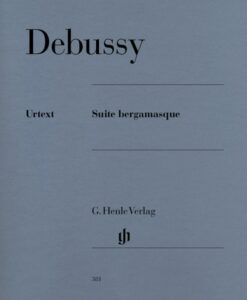 Suite Bergamasque
1 × 12.75 €
Suite Bergamasque
1 × 12.75 € -
×
 Ed Sheeran: Equals Easy Piano
1 × 19.50 €
Ed Sheeran: Equals Easy Piano
1 × 19.50 € -
×
 ROMANCE OP.36 TRP / PF
1 × 11.11 €
ROMANCE OP.36 TRP / PF
1 × 11.11 € -
×
 Clarinet Exam Pieces 2008-2013 Grade 3 (Cl/Pf + CD)
1 × 18.00 €
Clarinet Exam Pieces 2008-2013 Grade 3 (Cl/Pf + CD)
1 × 18.00 € -
×
ESCOLA TÉCNICA VIOLA VOL.I
1 × 16.76 €
-
×
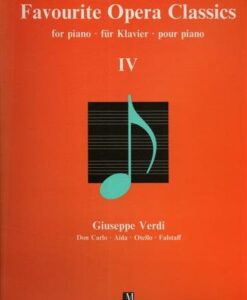 Favourite Opera Classics, Vol. IV
1 × 12.00 €
Favourite Opera Classics, Vol. IV
1 × 12.00 € -
×
CONCERTO -TBN / PF
1 × 38.49 €
-
×
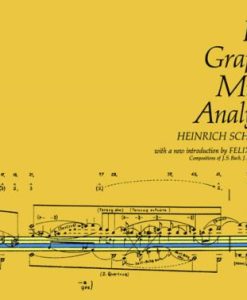 5 Graphic Music Analyses
1 × 22.60 €
5 Graphic Music Analyses
1 × 22.60 €
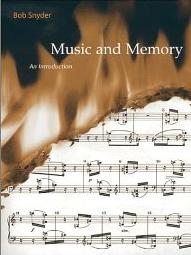
This far-ranging book shows how human memory influences the organization of music. The book is divided into two parts. The first part presents basic ideas about memory and perception from cognitive psychology and, to some extent, cognitive linguistics. Topics include auditory processing, perception, and recognition. The second part describes in detail how the concepts from the first part are exemplified in music. The presentation is based on three levels of musical experience: event fusion (the formation of single musical events from acoustical vibrations in the air, on a time scale too small to exhibit rhythm), melody and rhythm, and form. The focus in the latter is on the psychological conditions necessary for making large-scale–that is, formal–boundaries clear in music rather than on traditional musical forms. The book also discusses the idea that much of the language used to describe musical structures and processes is metaphorical. It encourages readers to consider the possibility that the process of musical composition can be (a metaphorical transformation of their own experience into sound.) The book also touches on unresolved debates about psychological musical universals, information theory, and the operation of neurons. It requires no formal musical training and contains a glossary and an appendix of listening examples. Nº. pag. 291
Referência: 3 201-692373Autor/Compositor: SNYDER, B.Editora MIT PRESS
Produtos Relacionados

Música
32.50 €
Música
27.18 €

22.00 €

Música
25.25 €
Música
16.55 €

Música
4.44 €
99.50 €
Música
19.68 €

19.90 €
Música
22.60 €

Literatura e Ficção
18.80 €
127.20 €