
-
×
 Beethoven Goes Jazz
1 × 14.90 €
Beethoven Goes Jazz
1 × 14.90 € -
×
 HISTOIRES...
1 × 27.84 €
HISTOIRES...
1 × 27.84 € -
×
 FANTAISIE PASTORALE HONGROISE - FL / PF
1 × 18.50 €
FANTAISIE PASTORALE HONGROISE - FL / PF
1 × 18.50 € -
×
 DICTÉES MUSICALES - VOL.III (ÉLÈVE) + CD
1 × 27.10 €
DICTÉES MUSICALES - VOL.III (ÉLÈVE) + CD
1 × 27.10 € -
×
 Petit Divertissement - Trois Flutes
1 × 30.34 €
Petit Divertissement - Trois Flutes
1 × 30.34 € -
×
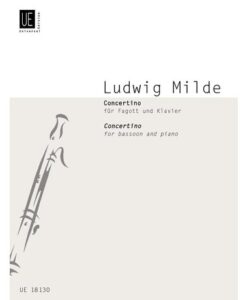 Concertino
1 × 19.60 €
Concertino
1 × 19.60 € -
×
 VIOLA CAROLS - GRADES 1 - 3
1 × 9.79 €
VIOLA CAROLS - GRADES 1 - 3
1 × 9.79 € -
×
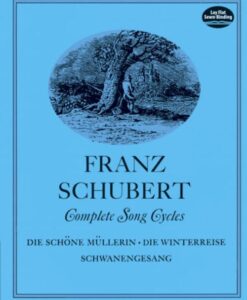 Complete Song Cycles
1 × 27.90 €
Complete Song Cycles
1 × 27.90 € -
×
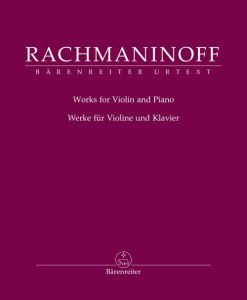 Works for Violin and Piano
1 × 34.90 €
Works for Violin and Piano
1 × 34.90 € -
×
STRAUSS CONCERTO OP.8
1 × 13.78 €
-
×
FUR DICH - 4 SAX
1 × 21.69 €
-
×
 Suite Bergamasque
1 × 12.75 €
Suite Bergamasque
1 × 12.75 € -
×
 Ed Sheeran: Equals Easy Piano
1 × 19.50 €
Ed Sheeran: Equals Easy Piano
1 × 19.50 € -
×
 REPORTÓRIO CORAL VOL.II
1 × 5.78 €
REPORTÓRIO CORAL VOL.II
1 × 5.78 € -
×
REPORTÓRIO CORAL VOL.VI
1 × 4.23 €
-
×
 Favourite Opera Classics, Vol. IV
1 × 12.00 €
Favourite Opera Classics, Vol. IV
1 × 12.00 € -
×
 Great Overtures
1 × 24.80 €
Great Overtures
1 × 24.80 € -
×
MÉTHODES & TRAITÉS 7-VIOLONCELLE FRANCE,1600-1800
2 × 62.29 €
-
×
 MÚSICA P/ TROMPETE
1 × 16.25 €
MÚSICA P/ TROMPETE
1 × 16.25 € -
×
RIGHT FROM THE START - 20 MÚSICAS
1 × 7.82 €
-
×
MÚSICAS CONHECIDAS VOL.I - 2 VNS
1 × 10.99 €
-
×
 CONCERTO DO MAIOR - 4 VNS
1 × 17.36 €
CONCERTO DO MAIOR - 4 VNS
1 × 17.36 € -
×
 Clarinet Concerto no. 1 f minor op. 73 - Cl/ Pf
2 × 27.30 €
Clarinet Concerto no. 1 f minor op. 73 - Cl/ Pf
2 × 27.30 € -
×
 Six études op.111 R 49 - Vol.2
1 × 29.90 €
Six études op.111 R 49 - Vol.2
1 × 29.90 € -
×
 The Second Year Violin Tutor
1 × 14.50 €
The Second Year Violin Tutor
1 × 14.50 € -
×
 ELEGY
1 × 9.85 €
ELEGY
1 × 9.85 € -
×
 EL VIBRATO
1 × 17.32 €
EL VIBRATO
1 × 17.32 € -
×
 HOLBERG SUITE OP.40
1 × 10.60 €
HOLBERG SUITE OP.40
1 × 10.60 € -
×
 Confidence - 4 Saxophones
1 × 19.65 €
Confidence - 4 Saxophones
1 × 19.65 € -
×
 LECTURA MUSICAL - VOL.I
1 × 10.53 €
LECTURA MUSICAL - VOL.I
1 × 10.53 € -
×
 DIVERTIMENTO - OB / CL / FAG (SC)
1 × 9.52 €
DIVERTIMENTO - OB / CL / FAG (SC)
1 × 9.52 € -
×
 Piano Sonata a minor op. post. 143 D 784
1 × 13.00 €
Piano Sonata a minor op. post. 143 D 784
1 × 13.00 € -
×
 Hungarian Rhapsody N.4
1 × 12.00 €
Hungarian Rhapsody N.4
1 × 12.00 € -
×
BREAD-BAKING - SA
1 × 5.00 €
-
×
 ESTAMPES
1 × 15.05 €
ESTAMPES
1 × 15.05 € -
×
 Ability Development from Age Zero
1 × 24.00 €
Ability Development from Age Zero
1 × 24.00 € -
×
SONATA RE MAIOR - 2VN / PF
1 × 21.20 €
-
×
 SONATAS VIOLINO E TRIO SONATAS COMPLETAS (SC)
1 × 33.21 €
SONATAS VIOLINO E TRIO SONATAS COMPLETAS (SC)
1 × 33.21 € -
×
 Report on the Star Spangled Banner, Hail Columbia, America, & Yankee Doodle
1 × 19.90 €
Report on the Star Spangled Banner, Hail Columbia, America, & Yankee Doodle
1 × 19.90 € -
×
SONATA SOL MAIOR OP.15 - GTR
1 × 10.55 €
-
×
SONATAS VOL.I
2 × 25.01 €
-
×
THE GOOD BRASS GUIDE - TROMBONE
1 × 16.18 €
-
×
 Motum II - Trompa em Fa
1 × 15.70 €
Motum II - Trompa em Fa
1 × 15.70 € -
×
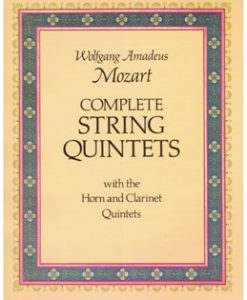 QUINTETOS CORDAS COMPLETOS (SC)
1 × 21.50 €
QUINTETOS CORDAS COMPLETOS (SC)
1 × 21.50 € -
×
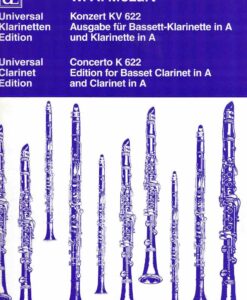 Concerto K.622-Cl Sib/ Cl La/ Pf
1 × 33.40 €
Concerto K.622-Cl Sib/ Cl La/ Pf
1 × 33.40 € -
×
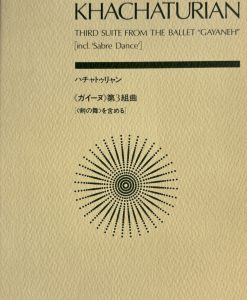 Third Suite from the Ballet "Gayaneh"
1 × 33.95 €
Third Suite from the Ballet "Gayaneh"
1 × 33.95 € -
×
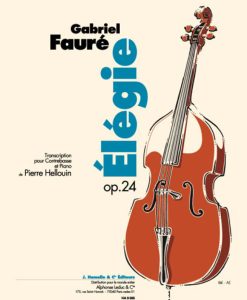 Elegie Op. 24 - Cbx/ Pf
1 × 23.60 €
Elegie Op. 24 - Cbx/ Pf
1 × 23.60 € -
×
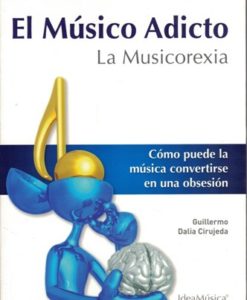 El Musico Adicto - La Musicorexia
1 × 27.99 €
El Musico Adicto - La Musicorexia
1 × 27.99 € -
×
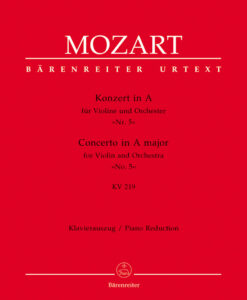 Concerto La Maior Nº 5 KV219
1 × 24.60 €
Concerto La Maior Nº 5 KV219
1 × 24.60 € -
×
 MELIMELODIES - VOL.VI (3º CYCLE)
1 × 20.29 €
MELIMELODIES - VOL.VI (3º CYCLE)
1 × 20.29 € -
×
SVEA RIKE - 4 SAX
1 × 20.09 €
-
×
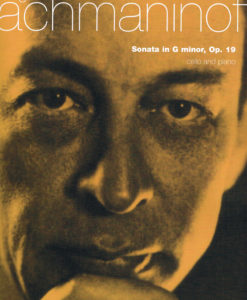 SONATA OP.19
1 × 37.10 €
SONATA OP.19
1 × 37.10 € -
×
THE RENAISSANCE RECORDER (ALTO)
1 × 14.29 €
-
×
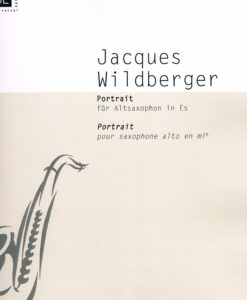 PORTRAIT - SAX ALTO
1 × 15.90 €
PORTRAIT - SAX ALTO
1 × 15.90 € -
×
 PEÇAS CLÁSSICAS VOL.IV
1 × 18.17 €
PEÇAS CLÁSSICAS VOL.IV
1 × 18.17 € -
×
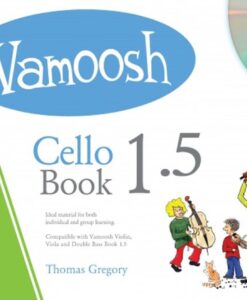 Vamoosh Cello Book 1.5
1 × 10.50 €
Vamoosh Cello Book 1.5
1 × 10.50 € -
×
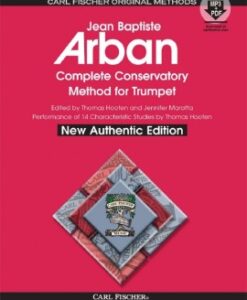 Complete Conservatory Method for Trumpet
1 × 47.90 €
Complete Conservatory Method for Trumpet
1 × 47.90 € -
×
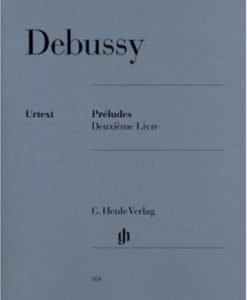 PRELUDIOS VOL.II
1 × 30.95 €
PRELUDIOS VOL.II
1 × 30.95 € -
×
CONCERTO P/ OBOE E PEQUENA ORQUESTRA
1 × 22.74 €
-
×
SONATA SOL MAIOR
1 × 22.81 €
-
×
 SIGHT-READING MADE EASY VOL.8
1 × 8.71 €
SIGHT-READING MADE EASY VOL.8
1 × 8.71 € -
×
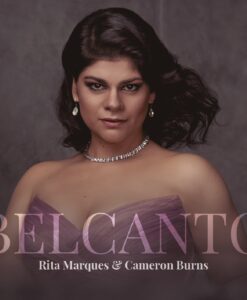 Belcanto (CD)
1 × 16.00 €
Belcanto (CD)
1 × 16.00 € -
×
ACADEMICIANS - 4 SAX
1 × 19.57 €
-
×
 THE BIRDS
1 × 7.12 €
THE BIRDS
1 × 7.12 € -
×
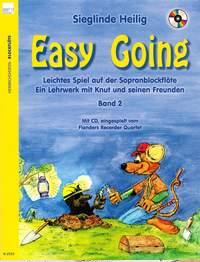 EASY GOING VOL.2 C/ Cd – Flauta Bisel
1 × 25.39 €
EASY GOING VOL.2 C/ Cd – Flauta Bisel
1 × 25.39 € -
×
3 FOLKSONGS FROM THE COUNTY... - CL / PF
1 × 8.65 €
-
×
CONCERTO RE MAIOR - GTR / 2 VNS / BC (PTS)
1 × 14.84 €
-
×
 SONATA FA - TPT / PF
1 × 8.33 €
SONATA FA - TPT / PF
1 × 8.33 € -
×
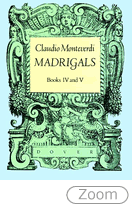 MADRIGAIS VOL.IV,V
1 × 15.85 €
MADRIGAIS VOL.IV,V
1 × 15.85 € -
×
3 LATIN-AMERICAN IMPRESSIONS - FL / CL
1 × 16.03 €
-
×
ESTUDOS ORQUESTRAIS SINFONIAS 1-5
1 × 26.50 €
-
×
CONCERTO MI MENOR OP.58
1 × 24.44 €
-
×
 PEÇAS CLÁSSICAS VOL.IV
1 × 8.65 €
PEÇAS CLÁSSICAS VOL.IV
1 × 8.65 €
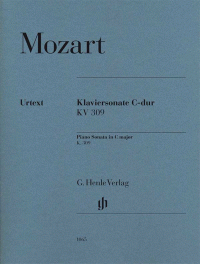
“I wish to do it to reflect the character of Mad:selle Rose,” Mozart replied when asked how he intended to set out the Andante of his Sonata in C major. In autumn 1777 he had got to know Rosina Cannabich in Mannheim and during her lessons immediately introduced her to the Sonata K. 309 that he had composed for her. Indeed, in December 1777 according to her teacher she was already able to perform it “excellently”. So that a great many other pupils might follow in her footsteps, we are now publishing this small gem that shows Mozart‘s great skill in composing for the piano as a single edition with a new preface by the editor; it was previously only available in the complete volumes (HN 1 and 3).
FIRST MOVEMENT The first movement of the C major Sonata K 309 is a model teaching sonata form structure. With sonata forms, as with Bach fugues, no formal dogmas underlie the process of composition, but each sonata varies anew a basic principle. For Mozart, this entailed strict adherence to certain fundamental patterns without his creative freedom. In his sonata movements in major keys, for example he favoured a distinct second subject in the dominant as most contemporary composers did. Haydn, on the other hand, reveled in experiment at this point.
A brief analysis may help to demonstrate Mozart’s standard sonata allegro form and the first movement of it is an ideal example for such an investigation. The first subject is a distinctive, marcato opening followed by a five-bar response. The falling fourth and rising sixth of the opening is one of Mozart’s favourite motifs, his common melodic device. He often uses it in the minor as well as the major, and many of his themes start with this motif (e.g. the second movement of the A major Sonata K 331, the Adagio in B minor K 540, and subjects in the Symphonies K 114, 124, 319/II and 551/II). The seven measures of the main theme are repeated, slightly varied. Measures 15 to 21 conclude the first subject group with an answering phrase (3+3 bars). The transition consists of new material and then, in measure 35 (after two measures of preparation comes a second cantabile theme, in the dominant (G major) comprising 2×4 bars, which is also repeated and proceeds to a spirited closing theme (concluding group) using passage-work (m. 43) and incorporating a delightful diminuation of measures 35 36 in measure 45. The exposition ends with a codetta of five bars. The development presents the opening motif first in g minor, and then the various ideas of the first subject are worked out. With this procedure Mozart is keeping much more closely to textbook principles than he usually does. Two further statements of the opening motif lead back to the recapitulation in measure 94. The second subject, now in the tonic, has surprisingly changed place with its accompaniment. The opening is recalled again in an effectively assertive coda.
SECOND MOVEMENT The second movement of this sonata is an introspective Andante un poco adagio. In a letter Mozart stated his desire to make this Andante match the character of the young pianist Rosa Cannabich for whom he wrote it: “…she is a sweet, pretty girl, just like the andante. For her age she is sensible and level-headed; she is serious, and doesn’t talk too much, though what she says is pleasing and sympathetic”.
THIRD MOVEMENT An elegant and smoothly flowing Rondo of unusually large proportions concludes this Sonata.
Paul and Eva Badura-Skoda
Autor: Mozart, Wolfgang Amadeus
Ref:0 05-1065
Editora: G. Henle Verlag
Seja o primeiro a avaliar “Piano sonata in C major KV 309”
Produtos Relacionados
Piano
10.60 €

18.50 €
Piano
22.30 €
12.00 €
Piano
11.00 €
25.50 €
Piano
25.01 €
Piano
28.90 €
8.71 €
19.50 €
Avaliações
Ainda não existem avaliações.